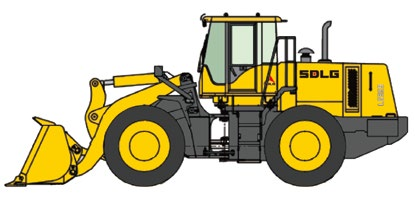
 Wheel Loader
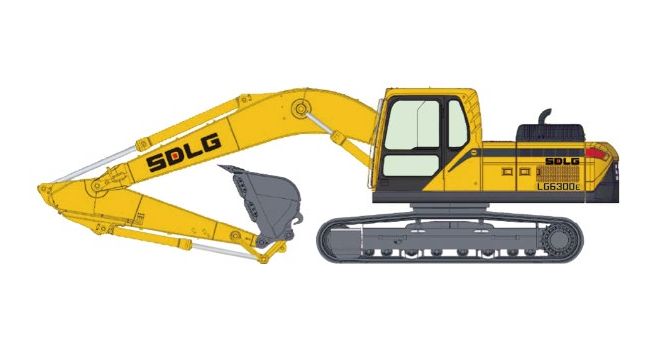 Excavator
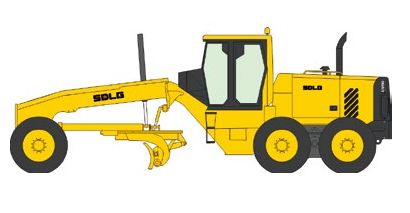 Motor Grader
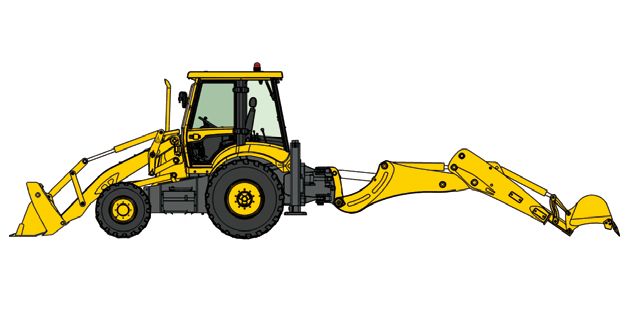 Backhoe Loader
 Road Roller
 Spare Parts
Leave Your Message
Premium quality excavators and construction machinery for general construction applications


Understanding the critical role and applications of medium-sized excavators in modern construction projects
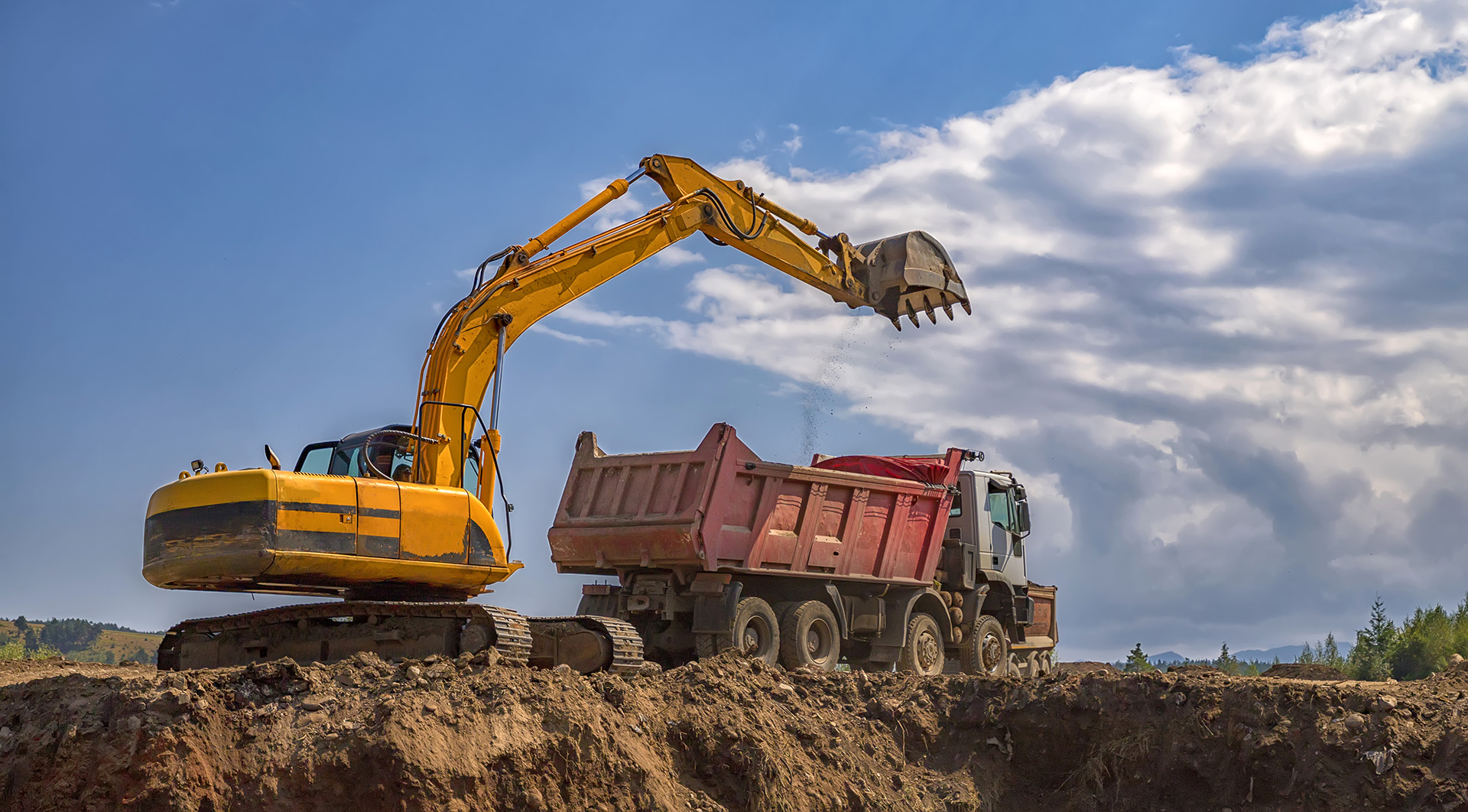
The 20-ton excavator represents a pivotal category in construction equipment, striking the perfect balance between power, versatility, and maneuverability. In the rapidly evolving landscape of general construction, these medium-sized excavators have become indispensable assets for contractors, developers, and construction companies worldwide. Their optimal weight class allows them to handle substantial workloads while maintaining the agility needed for diverse construction environments, from urban development projects to rural infrastructure initiatives.
The global construction equipment market has witnessed remarkable growth, with 20-ton class excavators experiencing a compound annual growth rate (CAGR) of 6.8% over the past five years. This surge is driven by unprecedented urbanization, infrastructure modernization programs, and the increasing adoption of advanced construction technologies. Industry analysts project that the demand for medium-sized excavators will continue to accelerate through 2030, particularly in emerging markets across Asia-Pacific, Middle East, and Latin America regions.
Today's construction industry faces unique challenges that make 20-ton excavators increasingly relevant. The equipment rental market has expanded significantly, with rental companies investing heavily in this weight class due to its versatility and high utilization rates. Construction companies are prioritizing equipment that offers maximum return on investment, and 20-ton excavators consistently deliver superior performance across multiple application scenarios.
The commercial construction sector has particularly embraced these machines for their ability to operate efficiently in confined urban spaces while providing sufficient power for substantial excavation work. From foundation digging for mid-rise buildings to utility installation and site preparation, these excavators have proven their worth in countless projects. The industrial sector similarly benefits from their capabilities in material handling, demolition, and site development operations.
Perfect size for urban construction, residential development, and commercial projects. Adaptable to various attachments including buckets, breakers, and augers for diverse applications.
Advanced hydraulic systems deliver maximum productivity with reduced fuel consumption. Modern 20-ton excavators achieve up to 25% better fuel efficiency compared to older models.
Lower operational costs, reduced maintenance requirements, and excellent resale value make these excavators a smart investment for construction businesses of all sizes.
In densely populated urban environments, 20-ton excavators excel at navigating tight spaces while delivering the power necessary for substantial excavation work. These machines are instrumental in subway construction, underground parking facility development, and urban renewal projects. Their compact footprint allows operation in areas where larger excavators cannot access, while their lifting capacity and reach enable efficient material handling in restricted spaces.
Recent smart city initiatives worldwide have increased demand for utility infrastructure upgrades, including fiber optic cable installation, water main replacement, and electrical grid modernization. The 20-ton excavator's precision control systems enable contractors to work safely around existing underground utilities while maintaining project schedules and budgets.
The residential construction boom has created unprecedented demand for versatile excavation equipment. 20-ton excavators are ideal for:
Commercial projects require equipment that balances power with precision:
Highway departments and road construction contractors rely heavily on 20-ton excavators for various applications. These machines efficiently handle roadbed preparation, culvert installation, bridge abutment construction, and emergency repair work following natural disasters. Their mobility allows rapid deployment to remote work sites, while their power enables efficient completion of demanding excavation tasks.
The growing emphasis on sustainable transportation infrastructure has expanded the role of excavators in bike path construction, pedestrian walkway development, and green infrastructure projects. Modern 20-ton excavators equipped with GPS and machine control systems can achieve precise grades required for proper drainage and long-term pavement performance.
Utility companies worldwide depend on 20-ton excavators for installation and maintenance of critical infrastructure. Whether trenching for water mains, installing natural gas pipelines, or maintaining electrical distribution systems, these excavators provide the perfect combination of reach, power, and precision. Advanced telematics systems enable utility companies to monitor equipment performance, track maintenance schedules, and optimize fleet utilization across service territories.
The demolition industry has embraced 20-ton excavators for their versatility in selective demolition, material sorting, and site cleanup operations. Equipped with specialized attachments such as hydraulic crushers, pulverizers, and sorting grapples, these machines efficiently process demolition debris while separating materials for recycling. Environmental remediation projects benefit from the excavator's ability to carefully remove contaminated soil while minimizing disturbance to surrounding areas.
The construction equipment industry is undergoing a significant transformation toward electrification. Major manufacturers are developing electric and hybrid 20-ton excavators that promise substantial reductions in operating costs and environmental impact. Early adopters report fuel savings of 30-50% with hybrid systems, while fully electric models eliminate on-site emissions entirely, making them ideal for indoor demolition and urban construction projects with strict environmental regulations.
Battery technology advances are extending operating times and reducing charging duration, addressing initial concerns about electric equipment viability. Government incentives and increasingly stringent emission regulations are accelerating the adoption of these cleaner technologies across the construction industry.
Advanced machine control systems are revolutionizing excavator operation. GPS-guided systems enable operators to achieve precise grades without constant surveying, reducing project completion times by 20-30%. Semi-autonomous features assist operators in maintaining optimal bucket angles and preventing over-excavation, improving accuracy while reducing operator fatigue.
Artificial intelligence and machine learning algorithms are being integrated into excavator control systems, optimizing hydraulic power distribution based on load conditions and operator input patterns. These intelligent systems improve fuel efficiency, extend component life, and enhance overall productivity.
Modern telematics systems provide unprecedented visibility into equipment performance and utilization. Construction companies leverage this data to:
Safety technology continues advancing with features including:
Governments worldwide are committing trillions of dollars to infrastructure modernization over the next decade. The United States Infrastructure Investment and Jobs Act allocates $1.2 trillion for roads, bridges, water systems, and broadband networks. Similar initiatives in Europe, Asia, and developing nations are creating sustained demand for construction equipment, particularly versatile machines like 20-ton excavators.
Emerging markets present significant growth opportunities as urbanization accelerates and middle-class populations expand. Construction activity in Southeast Asia, Africa, and Latin America is projected to grow at rates exceeding 8% annually through 2030, driving demand for reliable, cost-effective excavation equipment.
Environmental regulations are reshaping equipment purchasing decisions. Many jurisdictions now mandate ultra-low emission equipment for public projects, while private developers increasingly specify clean equipment to meet corporate sustainability goals. Manufacturers responding with Stage V and Tier 4 Final compliant engines, along with electric and hybrid alternatives, are positioning themselves for long-term success.
The circular economy concept is gaining traction in construction, with increased focus on equipment longevity, component remanufacturing, and end-of-life recycling. Quality 20-ton excavators with robust construction and available parts support maintain value throughout extended service lives, making them attractive investments for cost-conscious contractors.
The equipment rental sector continues expanding, with many contractors preferring rental over ownership to maintain financial flexibility and access latest technology. Rental companies are investing heavily in 20-ton excavators due to their high utilization rates and broad customer appeal. This trend creates opportunities for contractors to access premium equipment without capital investment while enabling rental companies to build profitable fleets serving diverse market segments.

Linyi Weiman Import and Export Co., Ltd. Located in Linyi city, Shandong province, near SDLG factory and closes to XCMG, SEM, Shantui and Weichai factories.
Weiman is the top professional construction equipment supplier, in particular heavy construction equipment, including wheel loaders, luxury mini loader, backhoe loader, skid steer loader, excavator, motor graders, forklift, bulldozer or countries world widely.















Quick delivery time for customers, prompt reaction for spare parts, all these has made a good reputation for us for being a trustworthy partner, because we believe in understanding our clients, open communication, effective planning as well as preparation and is committed to executing and delivering our promises. Our warehouse covers more than 5000 square meters, and located near the airport, railway and high way, which guarantee the quick delivery and low purchasing cost, which will save you much time and money.
Comprehensive range of excavators, parts, and accessories for all your general construction needs